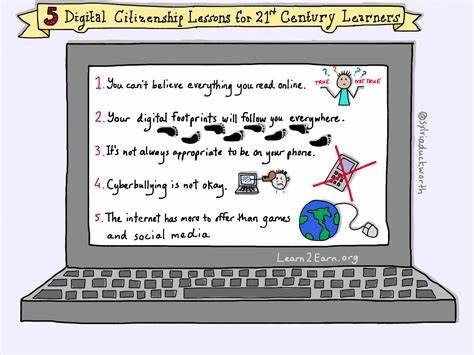
The concept of digital citizenship describes the developing norms of appropriate and responsible technology use (Ribble, n.d.). Digital citizenship is comprised of nine elements, or themes. Digital health and welfare is one of the themes and it refers to our ability to use technology in a balanced way. There are many benefits to technology and it is important that we are fluent users, but maintaining physical and psychological well-being in an increasingly digital world is also important. Part of being a responsible user is knowing when we are spending too much time in front of a screen. Getting exercise, socializing, engaging with loved ones, and enjoying nature are some of the things that we can miss out on when we’re using technology in an unbalanced way. It is irresponsible to ignore these aspects of life that contribute to our overall physical, psychological, spiritual, and emotional happiness.
Educators should be mindful of their students’ screen time and offer diversity in assignments so that not all of their learning is confined to a computer. Ultimately, in addition to being tech-savvy, we want to be well-rounded people who can explain, tell stories, persuade, and enlighten with our spoken words. Educators should set this example for their students to follow and a good start is to use technology in a responsible way.
One thing that I would add to the themes is digital tolerance. There have been many instances of public figures, for example, apologizing for comments they made on the internet. People are quick to express their disapproval of someone else’s thoughts or opinions expressed online. Sometimes, the apologies may be warranted, but it seems unreasonable that someone should apologize for how they feel or what they believe. Another thing to consider is that the content may have been misinterpreted. Sometimes, sarcasm and tone of voice don’t always come through in written form (SchoolTube, Inc., 2012). Some social cues, such as facial expressions, body language, and tone, help us understand intent and meaning and it is important to remember that those elements are missing from digital conversations. I think the digital world would be a more effective and pleasant space if people were not so easily offended and quick to censor others.
References
Ribble, M. (n.d.).Nine themes of digital citizenship. Retrieved from https://www.digitalcitizenship.net/nine-elements.html
SchoolTube, Inc. (Director). (2012). Digital citizenship [Video file]. Retrieved from http://www.schooltube.com/video/c31905a60541e87e2c2a/Digital-Citizenship
 Emerging Educational Technologies