Criminal Justice is my field of study and I intend to go back to the field professionally, so I thought I’d look at some online police simulators that may benefit those studying or working in the field. I have participated in police scenario simulations in an academy setting and at the firing range I frequent, but had never done an online version. There are tons of simulators on YouTube, including Police Simulator: Patrol Duty, which is a game that is surprisingly engaging. I am not a gamer, but I did enjoy some aspects of this simulation, including the choices of patrol or traffic duty. The game is a good choice for learners because it can be accessed on YouTube by subscribing to the channel, played from any device, and includes even the mundane aspects of policing, such as clocking in at the station and getting your gear from the armory. It is beneficial to learners because it demonstrates how quickly officers have to think on their feet and make important decisions. This is something I think everyone should experience, even if it’s just a virtual scenario.
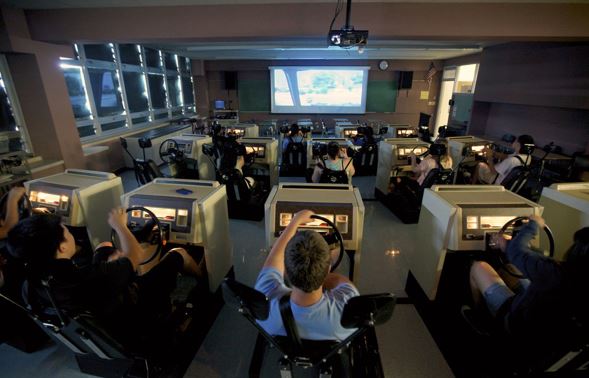
The challenge of this type of simulator is that it is not as realistic as ones with large screens, laser guns, and real settings. Augmented realities would be best for police simulation, but this online game is more feasible for a classroom environment where everyone can access the game from their own device. As an adult educator of CJ courses, I would use this game so students can “experience” police work and some of the constitutional or legal issues they may encounter on the job. For example, encountering suspicious persons will cause learners to exercise what they have learned about “stop and frisk” policies and the importance of being able to articulate probable cause. After each call or encounter, learners can practice report-writing skills and discuss various ways of handling each situation.
I think just putting yourself in the role of a police officer and attempting to solve the problems they face is a valuable lesson for those who wish to understand the complexities of policing and, perhaps, gain a better appreciation for the work. This type of hands-on experiential learning is a fun and convenient way to think critically about CJ issues.
 Emerging Educational Technologies