
Most of my posts focus on the many benefits of technology for education and professional development. This post will explore the pitfalls that pervasive technology presents, particularly in the social media realm. We have all heard the news stories or rumors of a professional who posted what their employer considered to be a not-so-professional picture on their social and how it costed said person their job. It is also common knowledge now that some employers screen potential employees’ social media pages for inappropriate content as part of their vetting process. This begs a series of questions- What is appropriate content for social media? How do I know what is fine and what is not? And, who gets to decide?
The novelty of social media can make it difficult to know what content crosses the line, posing ethical, legal, and professional challenges for users (Crompton, Rippard, & Sommerfeldt, 2016). Social media has ushered in a brave new world where companies and agencies have had to develop policies regarding their employees’ digital self-expressions. Stories of medical doctors posting private photos of patient procedures, teachers wearing “provocative” clothing, first responders photographing grisly accident scenes, and various professionals engaging in casual drug use are just a number of incidents that have sparked the conversation on what is- or should be- “postable” and what is not. Some of these concern privacy or confidentiality of the photographed, but most are concerned with whether or not the posted content is grounds for termination.
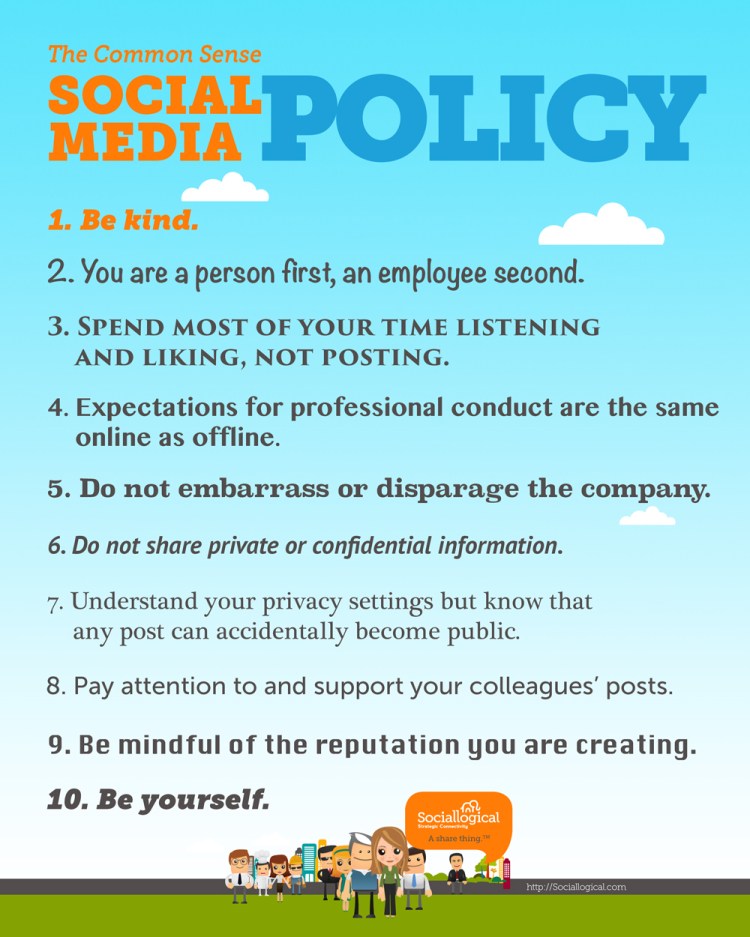
Not only is knowing your employer’s social media policies essential, but understanding how your posts may impact your future employability is also important. As adult educators, we should prepare our students for the workforce. Part of this education should include appropriate uses of social media, what content to steer clear of, how to interpret corporate social media policies, ethical considerations, protecting the confidentiality and privacy of clients, coworkers, etc., and how to responsibly use social media for networking purposes.
Reference
CROMPTON, H., RIPPARD, K., & SOMMERFELDT, J. (2016). To Post, or Not to Post, that is the Question: Teachers Candidates’ Social Networking Decisions and Professional Development Needs. Journal of Technology & Teacher Education, 24(3), 257–279.
 Emerging Educational Technologies