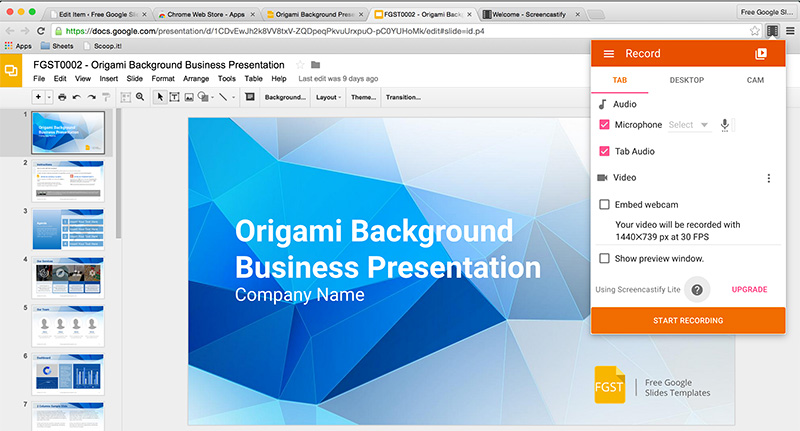
PowerPoint presentations can be epic failures when executed improperly. There is nothing worse than sitting through dozens of slides as an entire presentation is read off the screen line-by-line. Slide presentations may be a necessary evil for students as they learn basic presentation skills in classroom settings. Those skills can translate to the workplace and anywhere else students may need to assume a leadership role, or simply address a crowd. Rather than expound upon all the ways that presentations can go wrong, let’s take a look at how we can make the most of our slides.
With the Mayer Multimedia Learning Theory as a theoretical basis, the following evidence-based principles of multimedia design should be considered in order to develop an effective slide presentation (Grech, 2018):
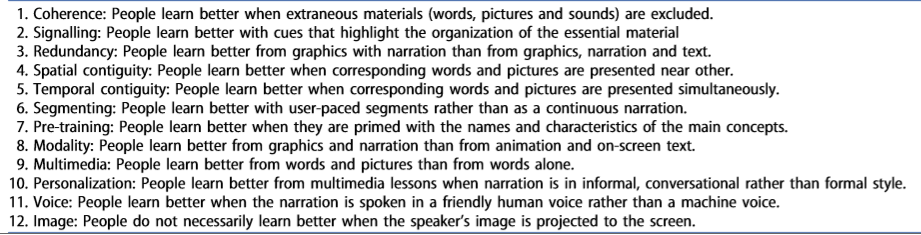
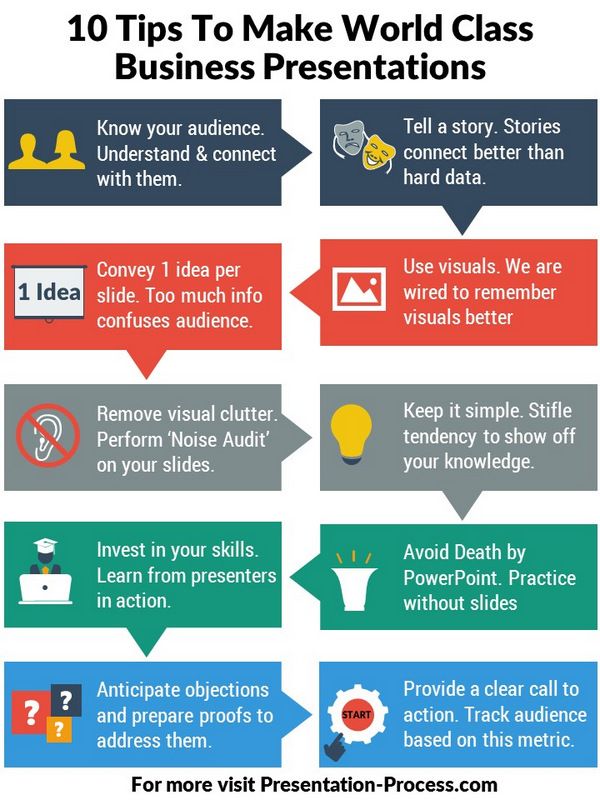
These principles can help us make the most of slide presentations, whether we are completing an assignment or are presenting information to learners. One key takeaway from Mayer’s theory is that multimedia seems to be the best approach. Including photos, audio, and video media to your presentation helps to add interest, but only aids the learning process when materials are presented coherently. With PowerPoint, less is more. Only relevant and impactful images, text, and video should be included, reducing visual clutter and adding emphasis to the information provided.
Reference
Grech, V. (2018). The application of the Mayer multimedia learning theory to medical PowerPoint slide show presentations. Journal Of Visual Communication In Medicine, 41(1), 36–41. doi:10.1080/17453054.2017.1408400
 Emerging Educational Technologies
