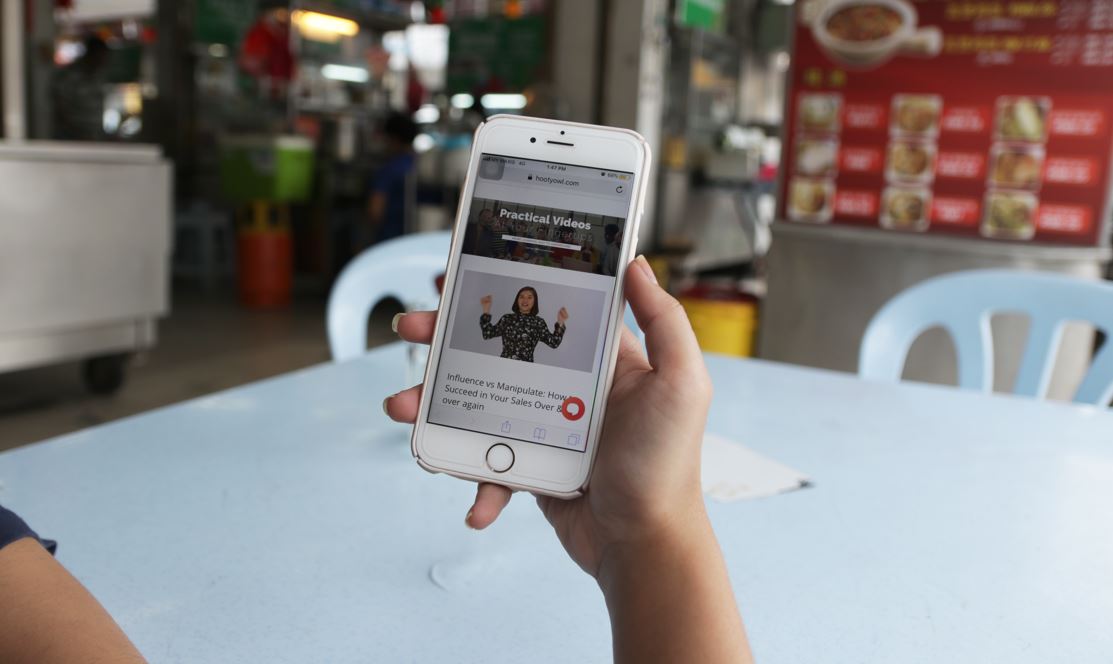
I think that not only should educators integrate mobile devices into the classroom, but they must embrace mobile technology in the classroom. Fighting against technology as pervasive as cell phones, for example, is a waste of energy. The truth is that even adults who did not grow up using cell phones have become accustomed to the convenience and versatility of their mobile devices to the extent that they do not feel comfortable going anywhere without them. The issue, in terms of education, is how do we keep technological devices from being a distraction to the learning process? Furthermore, how can we leverage mobile devices in such a way that they become assets to the learning experience?
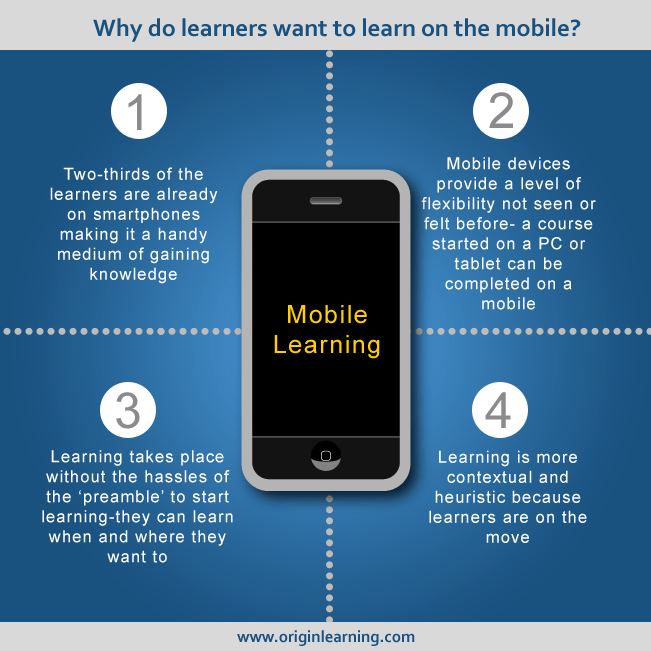
The major contribution of mobile devices to the learning process, in my experience, is the limitless access to information they provide. Not only does this allow me to benefit from the work and knowledge of others, but I save so much time by not having to conduct extensive research, develop something on my own, or conduct trial-and-error tests on something that someone else already has. For example, I teach students how to write. Most of the graphic organizers we use I found by doing a Google search on my phone. I can be on my couch searching the many organizers that other teachers have already created, download the one I want, and send it to my printer from my phone using WiFi. I also save the organizer to my Google Classroom and send a message to all of my students that we will be working with that outline to write an informative essay. I post the digital texts we’ll cover for the week on Google Classroom, create Google Slides for my students to follow along with in their self-guided work, make short instructional videos, and update parents on weekly assignments in Class Dojo. I do absolutely all of this work from my phone from anywhere I happen to be. Since I rely so heavily on my mobile device to get my work done, I should expect that adult learners are doing the same thing. It is unreasonable to expect them to put their phones away when they need them for just about everything- calendars, email, conversations, news, even banking. Since so many adult students participate in virtual learning environments, it almost seems silly to question the role of technological devices. Of course they can pose distractions, but that is life. We face distractions all day at work, home, driving, and everywhere else, yet we still manage to get things done.
If we accept that mobile devices are a necessary part of life and aren’t going anywhere, we can move on to figuring out how to optimize their use in the classroom. Research is an obvious way to use mobile devices for learning. There is no reason why students should not be allowed to access the wealth of knowledge that is available to them from their phones. As a teacher, I do not see searching for answers on the internet as “cheating” because they can only get the answers to lower-level thinking questions, not the type of critical-thinking questions that students will have to build on that information to answer. I think educators need to rethink learning altogether and understand that quick access to facts and information is a great thing and can save us all time to think about solutions to higher-order problems. Mobile devices can also be used to collaborate. Group assignments are now easily done from any mobile device using Google Docs and Slides. Any number of people can work on a document or presentation all at the same time without having to save the document, send it to someone else, then they download and edit it, and send it back. This is particularly beneficial for distance learners, who will probably never be in the same room as their peers. Mobile devices can also be used in the classroom to access videos that provide tutorials and other forms of assistance. Personally, I have used YouTube videos to learn a variety of things, such as how to rewire a lamp, compost, replace the oxygen sensor in a car, create rain barrels, prepare a roast, and many other things. I have also effectively used videos in class to help students understand abstract concepts, such as imagery and dramatic irony, as well as the steps to writing a thesis statement. The access to videos alone is enormously beneficial in a classroom setting because sometimes they are simply more effective than other methods.
As an aside, the best part about mobile devices is that they make learning accessible from anywhere and for everyone, not just students in a classroom. The sort of self-directed learning that one can do from their mobile device makes lifelong learning possible (Balasubramanian, Thamizoli, Umar, & Kanwar, 2010). This results in a democratization of knowledge that is empowering and can help people who may never have the opportunity to step foot inside a classroom.
Reference
 Emerging Educational Technologies