
Most of my posts focus on the many benefits of technology for education and professional development. This post will explore the pitfalls that pervasive technology presents, particularly in the social media realm. We have all heard the news stories or rumors of a professional who posted what their employer considered to be a not-so-professional pictureContinue reading “Social”
Category Archives: Uncategorized

Networking is still done in some of the “old” ways- professional conferences, networking events, and company parties- but there are some digital platforms that also offer opportunities for job-seekers. LinkedIn is the predominant social networking site for professionals, boasting over 500 million worldwide users (www.linkedin.com). With many of the same capabilities as Facebook, LinkedIn allowsContinue reading “LinkedIn”
FaceTime

The use of video-calling applications, such as FaceTime, Skype, and Facebook Messenger, is beneficial for a number of purposes. In recent events, these applications have quickly become a critical component of operations for a number of industries. “Social distancing” encouraged- and required, in some cases- by the spread of COVID-19 has made video-calling an attractiveContinue reading “FaceTime”
GroupMe
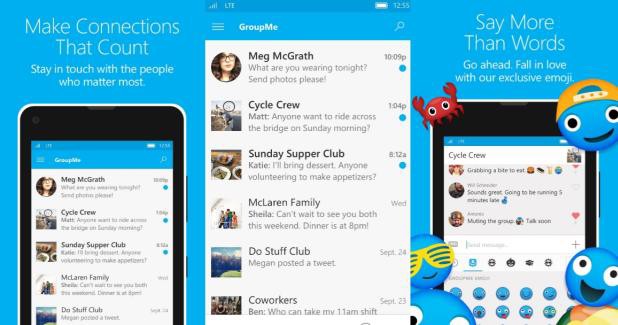
There is a growing movement in higher education of a participatory learning culture that embraces global sharing of information (Bonk, 2011). Current online education, however, is limited in the types of interactions it promotes among students and faculty. Discussion posts, for example, are topic-specific, formal, and graded. They are necessary to demonstrate student participation andContinue reading “GroupMe”
Artificial Intelligence
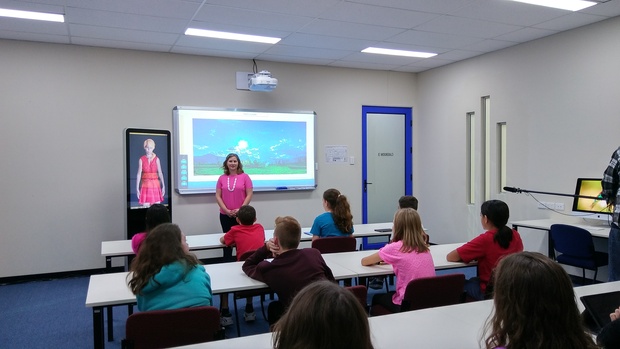
Artificial intelligence (AI) is the theory and development of computer systems able to perform tasks that normally require human intelligence. AI is a revolutionary technology because it is responsive, decisive, adaptive, and independent. AI is particularly beneficial to higher education because of its potential to increase student retention, access, and outcomes, as well as lowerContinue reading “Artificial Intelligence”
Virtual and Augmented Realities

Virtual and augmented realities are similar technologies that are finding a place in modern education. Virtual worlds are 100% digital ecosystems, while augmented realities are digital objects superimposed in real-life scenes on a phone or tablet (Edutopia, 2013). These technologies can be used for adult learners in a number of ways, such as allowing studentsContinue reading “Virtual and Augmented Realities”
 Emerging Educational Technologies